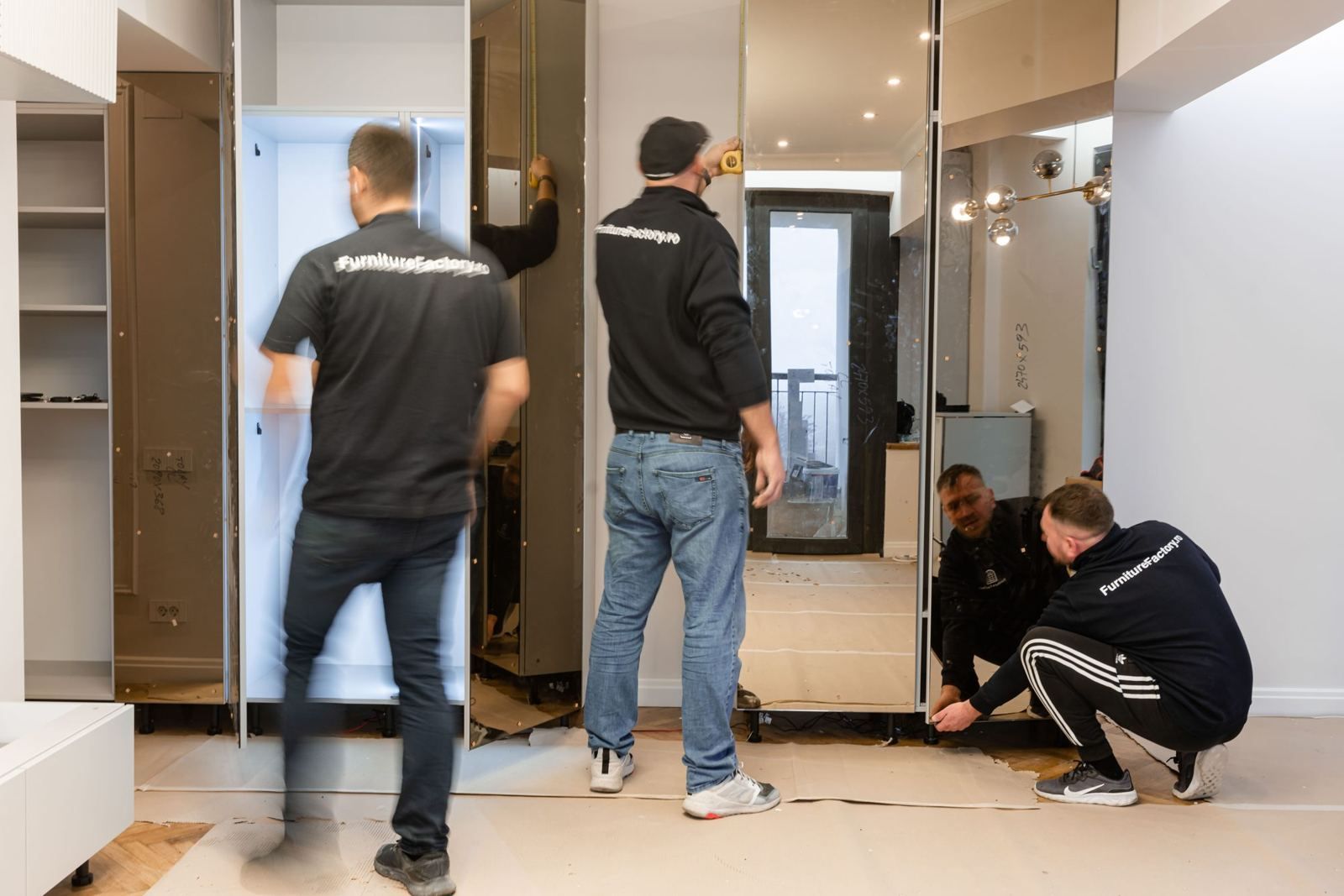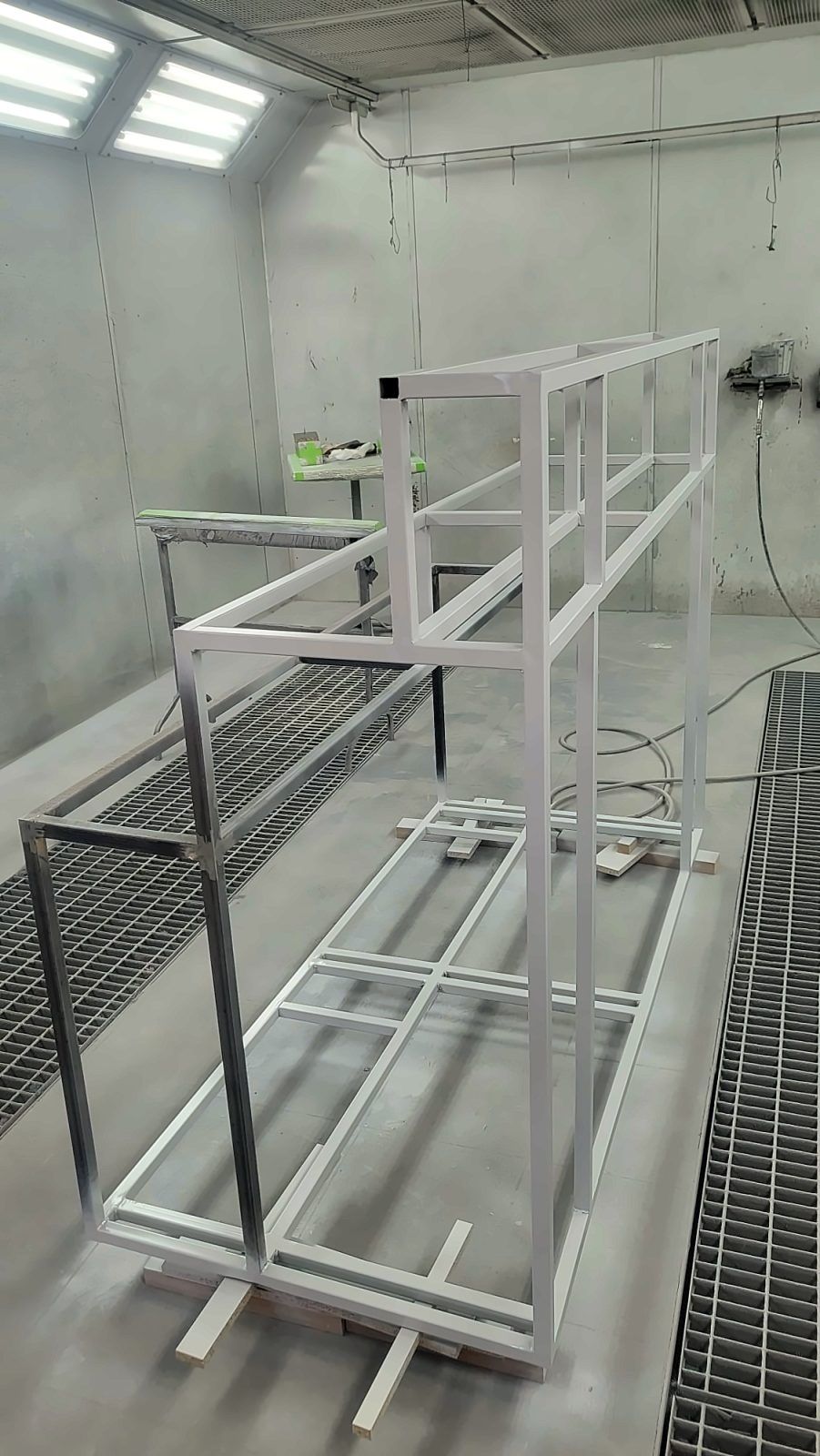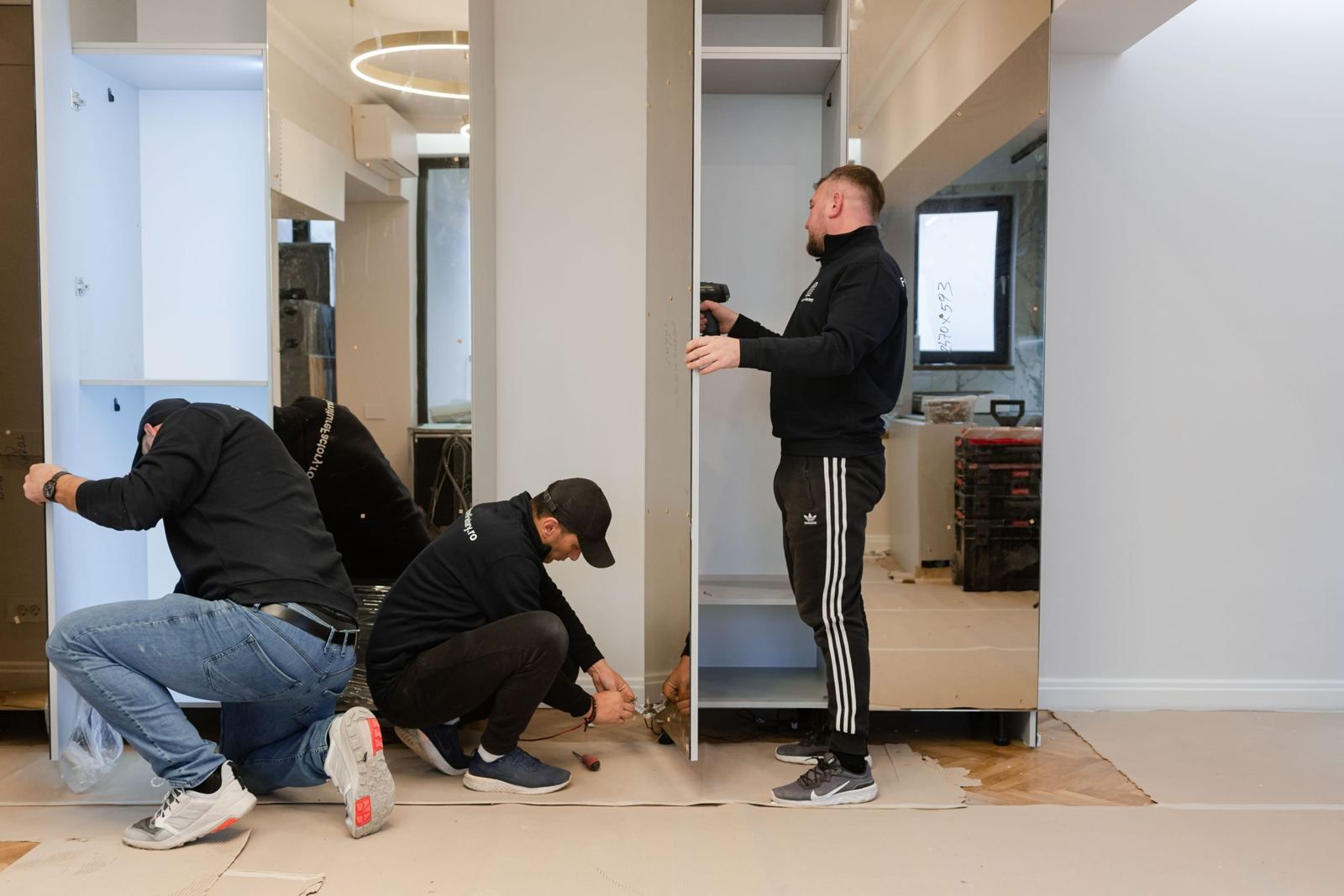
01 / 2021
It started with a bad idea. Obviously.
In 2021, during the pandemic, I noticed something interesting.
People were spending more time at home, and there was strong demand for custom-made furniture.
After years in banking and IT, I decided to enter furniture manufacturing.
There was one small detail.
I knew absolutely nothing about furniture.
So I partnered with an architect and two craftsmen who were supposed to bring the technical expertise.
It seemed like a reasonable plan.
It wasn’t.
The initial partnership didn’t work out. I discovered that understanding interior design and understanding the technical requirements of furniture manufacturing were two very different things.
And having people with technical skills wasn’t necessarily the same as having a functioning team.
I took over the operation and started building the business myself.
I found suppliers, developed processes, learned about materials, studied technical design and gradually became involved in almost every aspect of production.
In 2022, I rebranded the business as Furniture Factory.
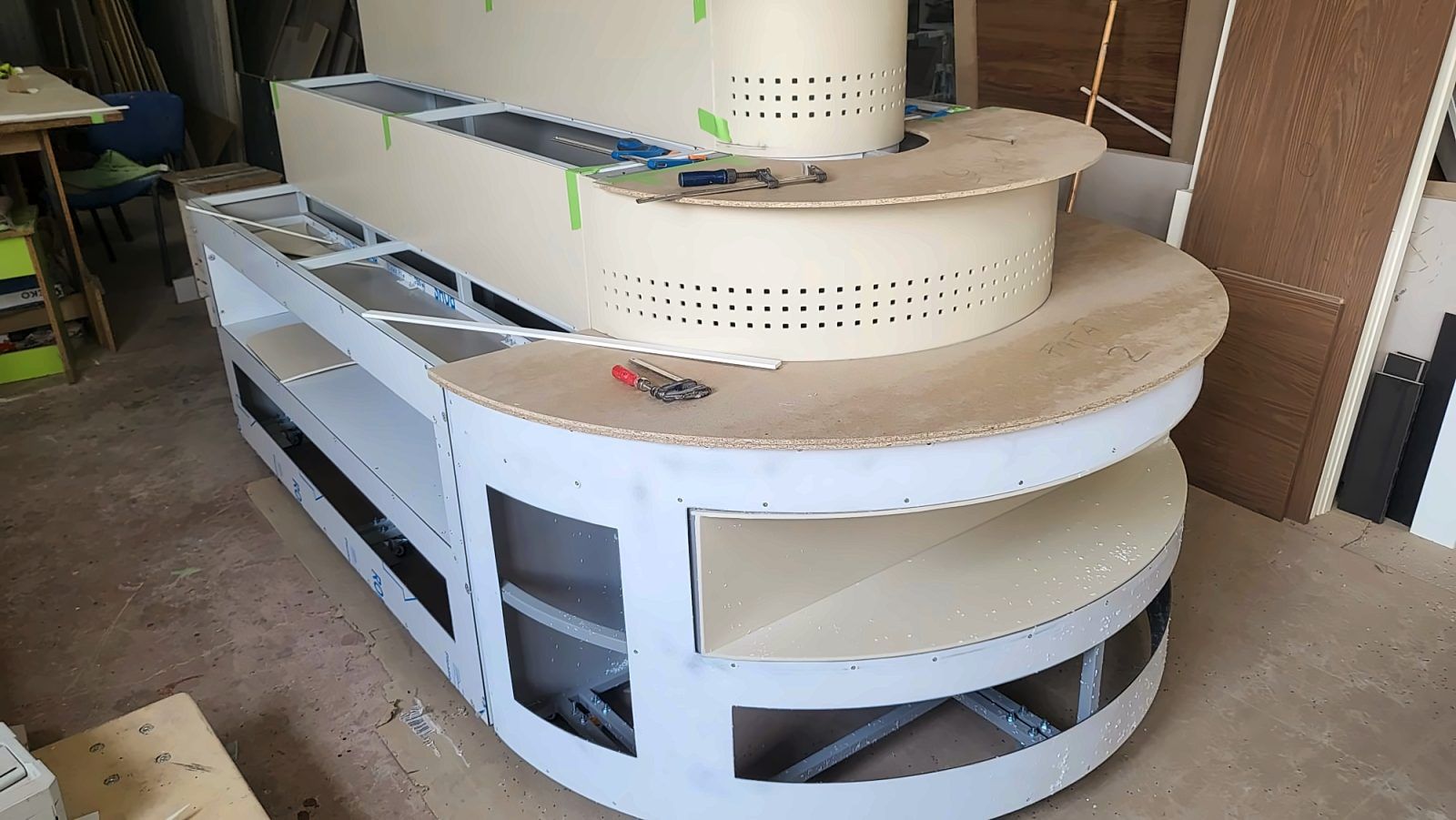
02 / Mid-2023
The ultimatum.
By mid-2023, I had spent nearly two years working alongside furniture designers.
I understood the materials, the manufacturing process and how furniture was assembled.
I had watched designers work, seen different approaches and gradually learned the principles of technical furniture design.
But I had never actually designed a cabinet myself.
Then one of our designers gave me an ultimatum.
Either I fired another team member, or he would leave.
He believed the business wouldn’t survive without him.
That evening, I went home and opened YouTube.
I spent the night watching tutorials and connecting the missing pieces with everything I had learned during the previous two years.
By the next morning, I had designed my first cabinet.
The designer left.
The colleague he wanted me to fire stayed for another two years.
And I took over technical design myself for a while.
But I realised something important.
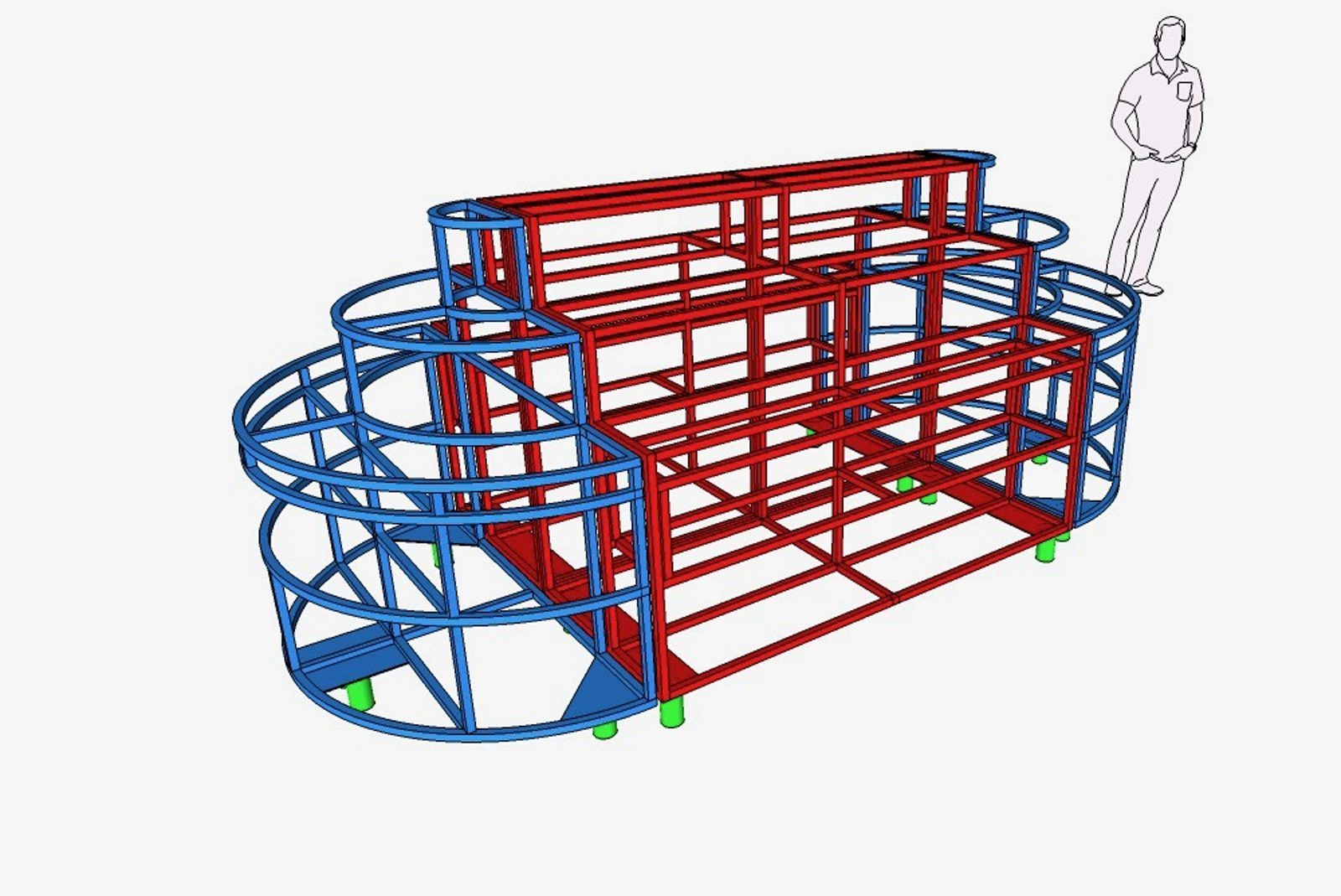
Replacing one person’s dependency with my own wasn’t a sustainable solution.
So I started collaborating with several independent designers, reducing the operational risk of relying on a single specialist.
03 / Another route
The destination hadn’t changed. We just needed another route.
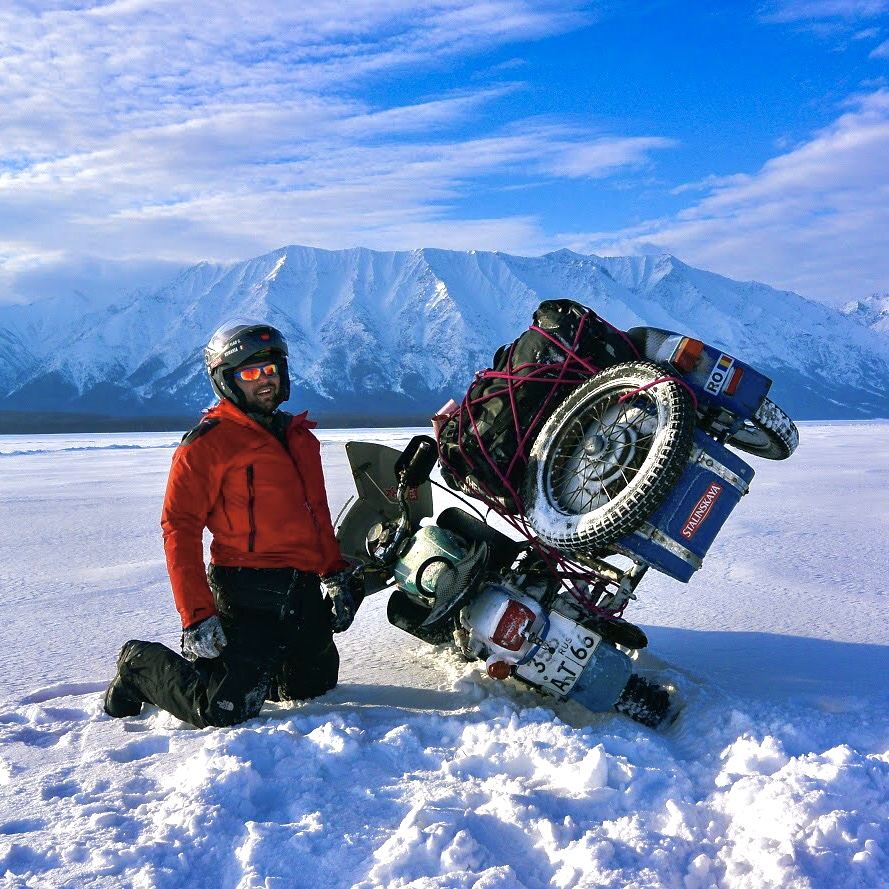
Years earlier, while crossing frozen Lake Baikal on a motorcycle with a sidecar, we had encountered holes in the ice blocking our route.
We didn’t abandon the journey.
We looked for another way to reach the checkpoint.
Building a business sometimes requires exactly the same mindset.
You don’t always need to change the destination.
Sometimes you need to change the route.
And sometimes you need to redesign the entire process so the same obstacle doesn’t stop you again.
04 / Every project is different
No two kitchens alike.
What I love about bespoke furniture manufacturing is that every project is different.
In all these years, we haven’t built two identical kitchens.
Every new project comes with different dimensions, materials, technical requirements and expectations.
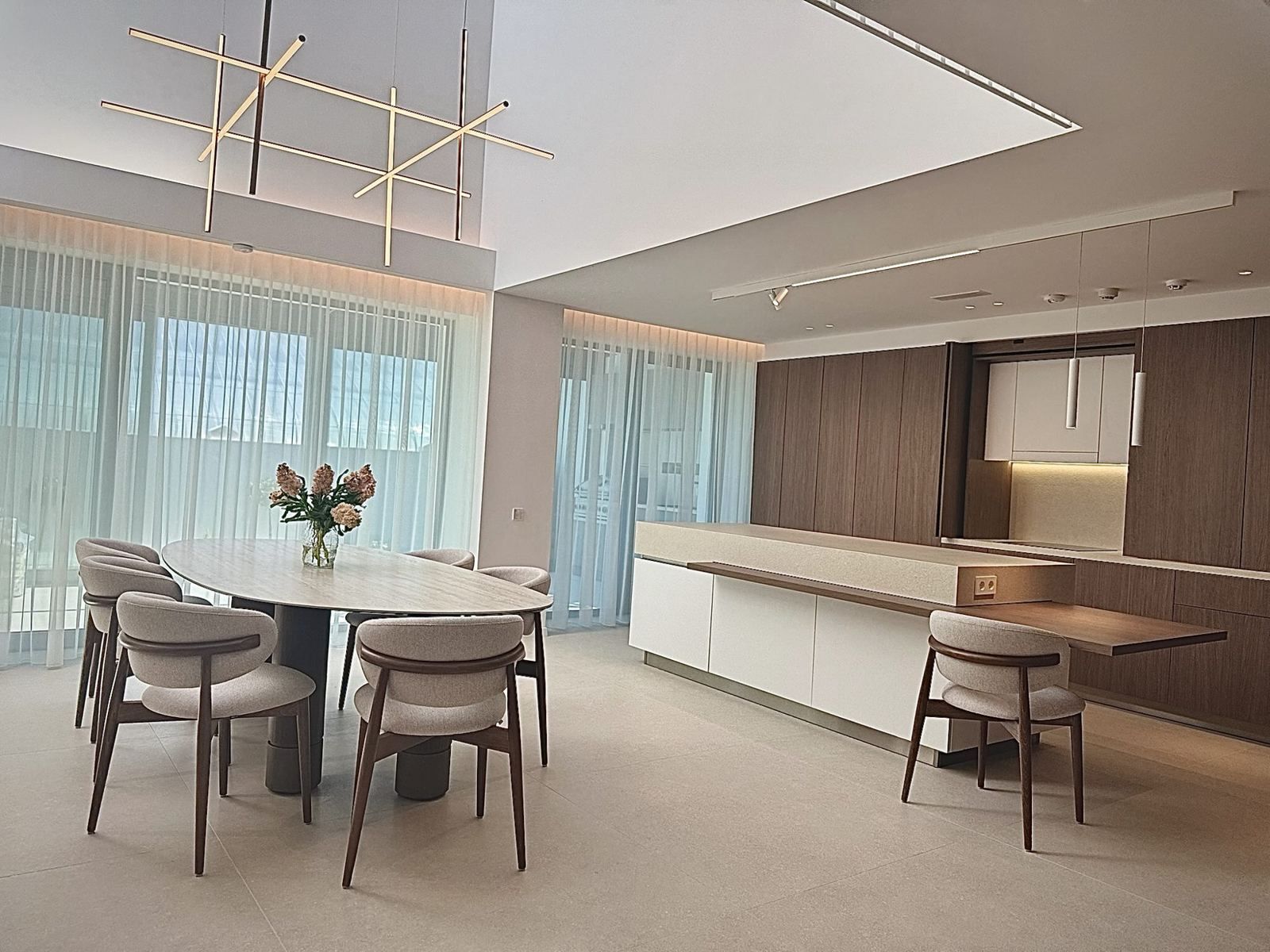
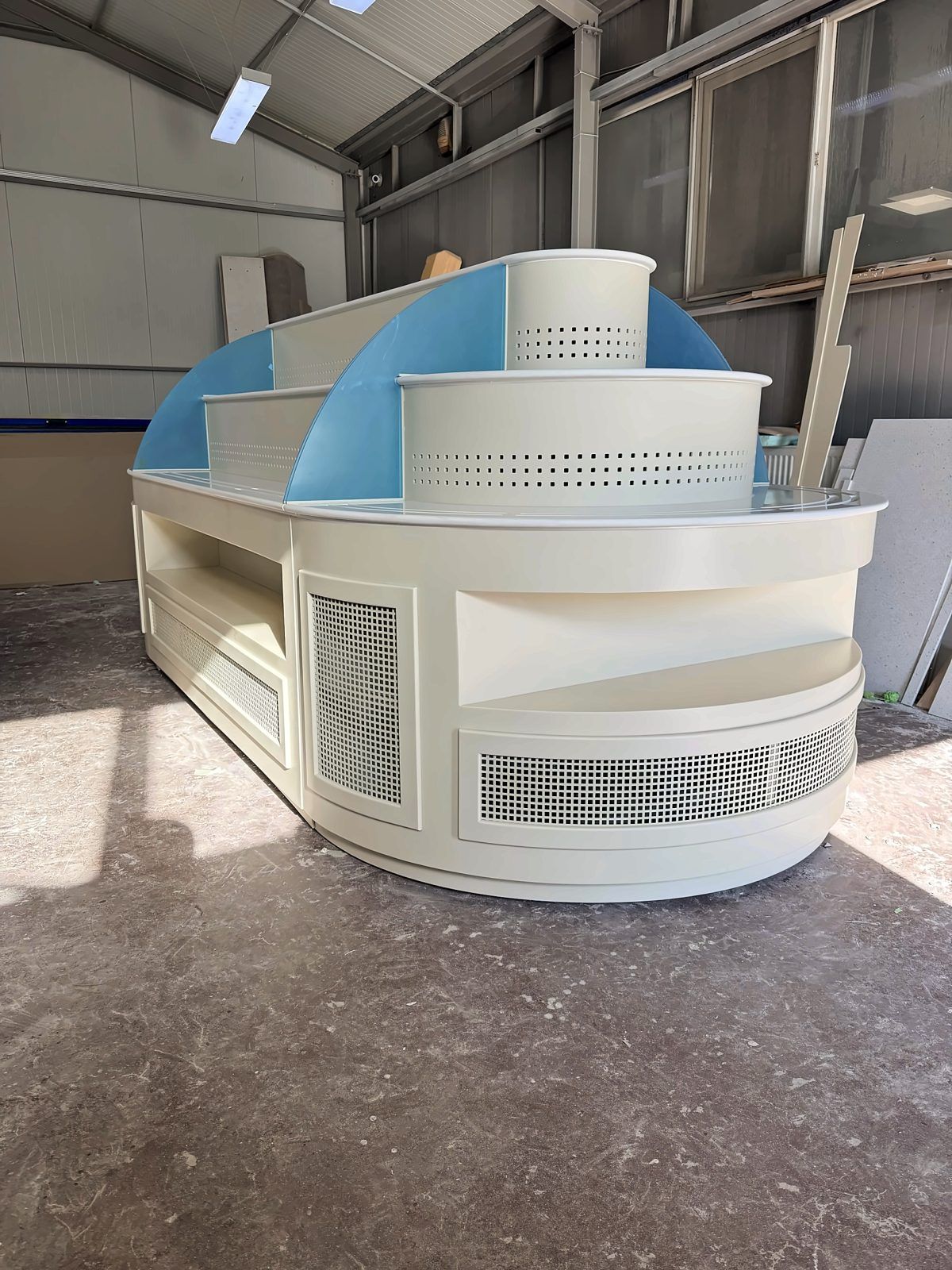
One project I’m particularly proud of is the Laguna showroom in Bucharest.
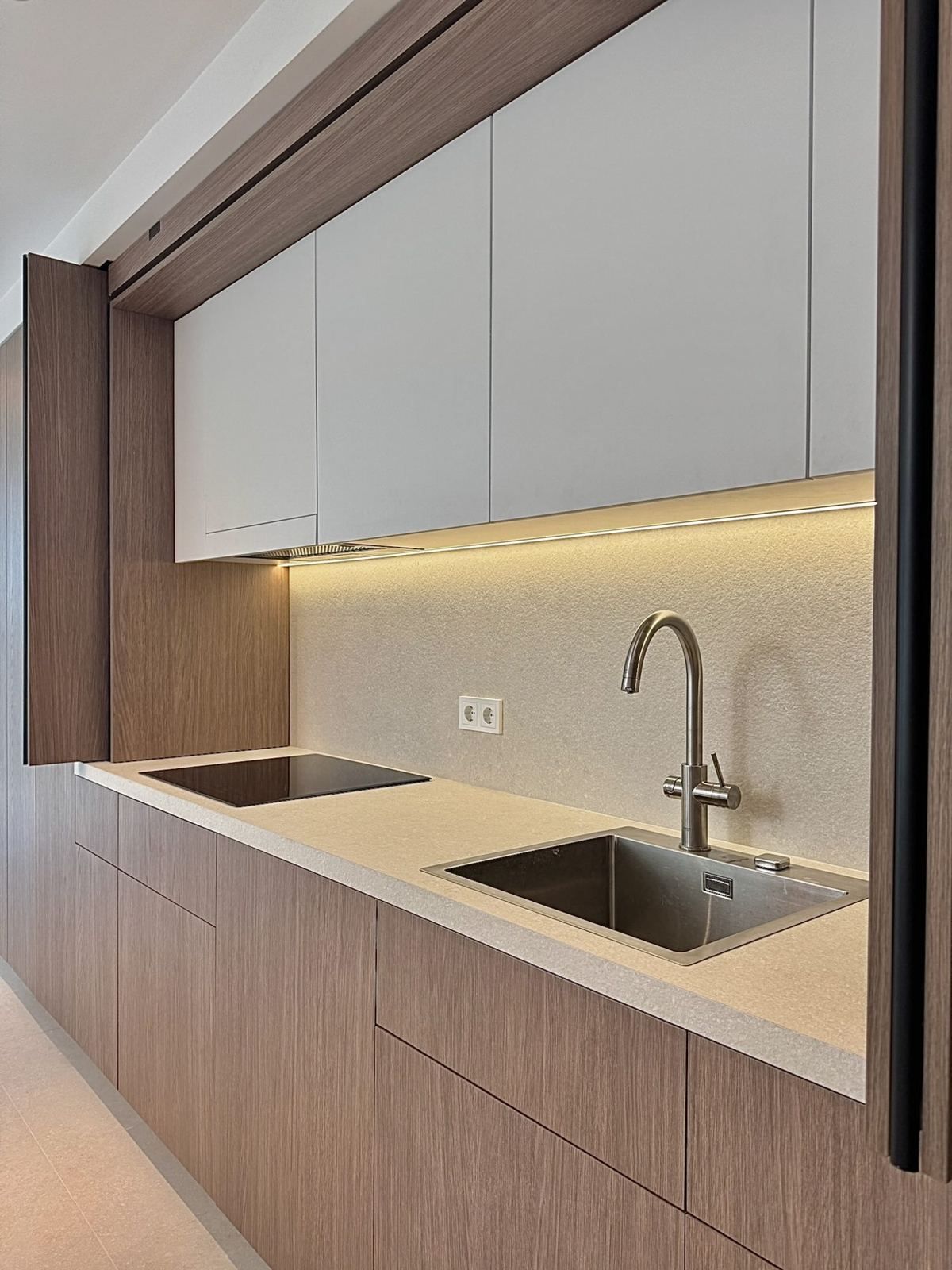
We integrated Blum REVEGO systems at the maximum dimensions of our chosen configuration and manufactured curved MDF fronts measuring 2,750 mm in height and 600 mm in width.
Millimetres. Curved MDF fronts with Blum REVEGO systems, Laguna showroom, Bucharest.
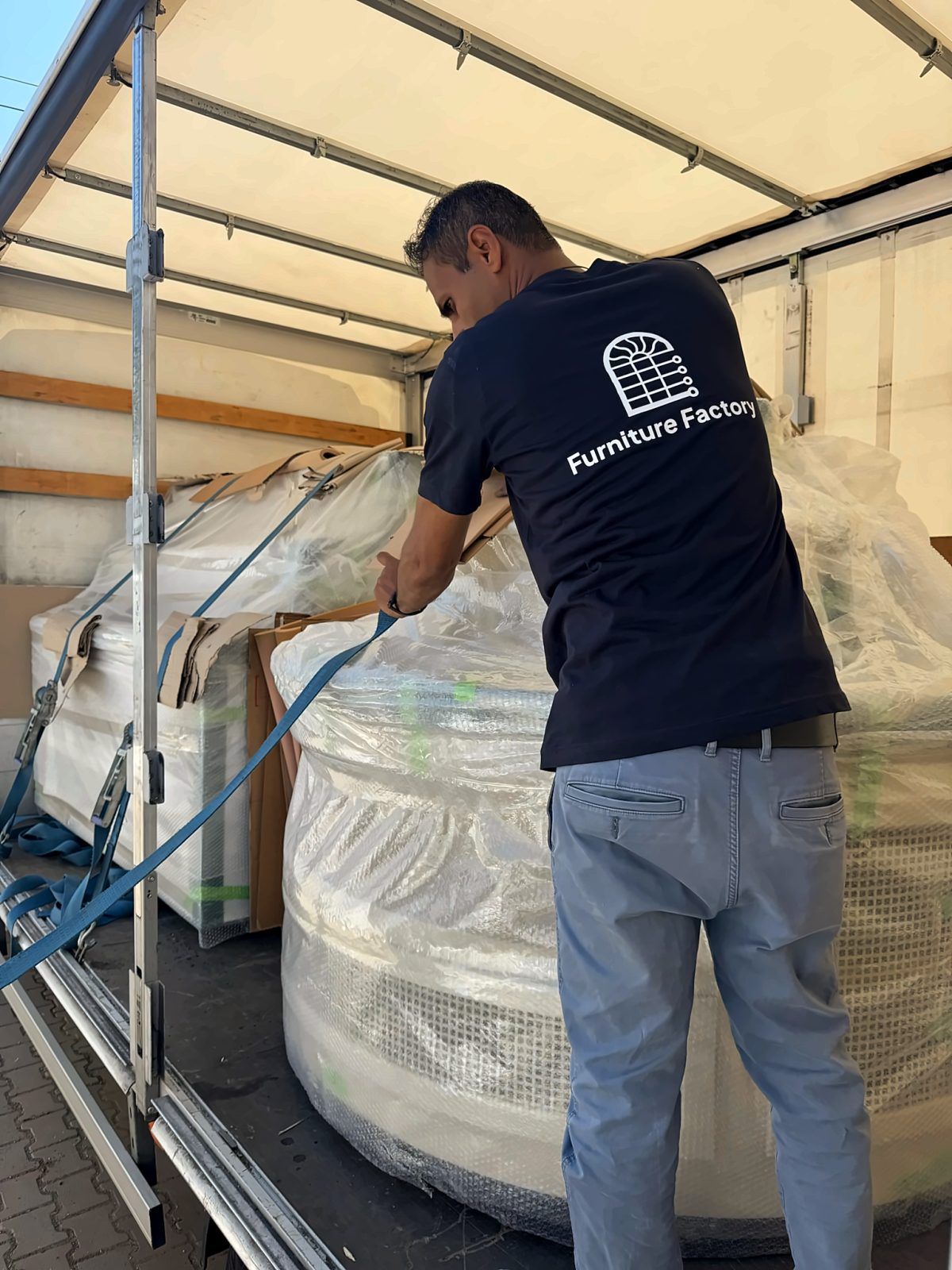
Another meaningful milestone was being contacted to deliver a bespoke furniture piece destined for Ritz Paris.
For someone who had entered the furniture industry knowing absolutely nothing about it, that felt like recognition of the work we had put in.
05 / 2025
Building the business.
By 2025, Furniture Factory and its complementary painting business, Vopsim Orice, had reached a combined annual revenue of EUR 500,000, supported by 15 employees and collaborators.
- EUR 500KCombined annual revenue, 2025
- 15Employees & collaborators, 2025
- 2Complementary businesses
- 2021The beginning
But revenue doesn’t tell the entire story.
The hardest part wasn’t understanding materials.
It wasn’t technical design.
It wasn’t buying machinery or learning how production worked.
It was building a team.
After almost six years, the team and the processes we have built are finally coming together.
And that is what I’m most proud of.
Not a particular cabinet.
Not a machine.
Not even the revenue.
The people and the business we’ve managed to build together.